What is Visual Merchandising & Why Is it Important?
What is Visual Merchandising & Why Is it Important?
Visual merchandising is a marketing practice that uses floor plans, colour, lighting, displays, technology, and other elements to attract customer attention. Its ultimate purpose is to use the retail space to generate more sales by making a store stand out and attracting shoppers. Creativity is key to good visual merchandising, and making your vision come to life is Contra Vision’s speciality. In this guide, you’ll learn:
- Visual merchandising influences customer behaviour
- Strong displays increase footfall and sales
- Window displays are key to first impressions
- Layout, lighting and design impact experience
- Regular updates keep displays effective
What Are The 4 Elements of Visual Merchandising?
Within visual merchandising, there are 4 key elements. These elements are where the advertisements can be placed to attract customers. These four areas are:
- Store exterior – windows, signage and entrances
- Store layout – how space is organised
- Store interior – design, lighting and fixtures
- Interior displays – how products are presented
Objectives of Visual Merchandising
Attracting the attention of passers-by and enticing people to enter a store is the number one aim of great visual merchandising. But how do you do it?
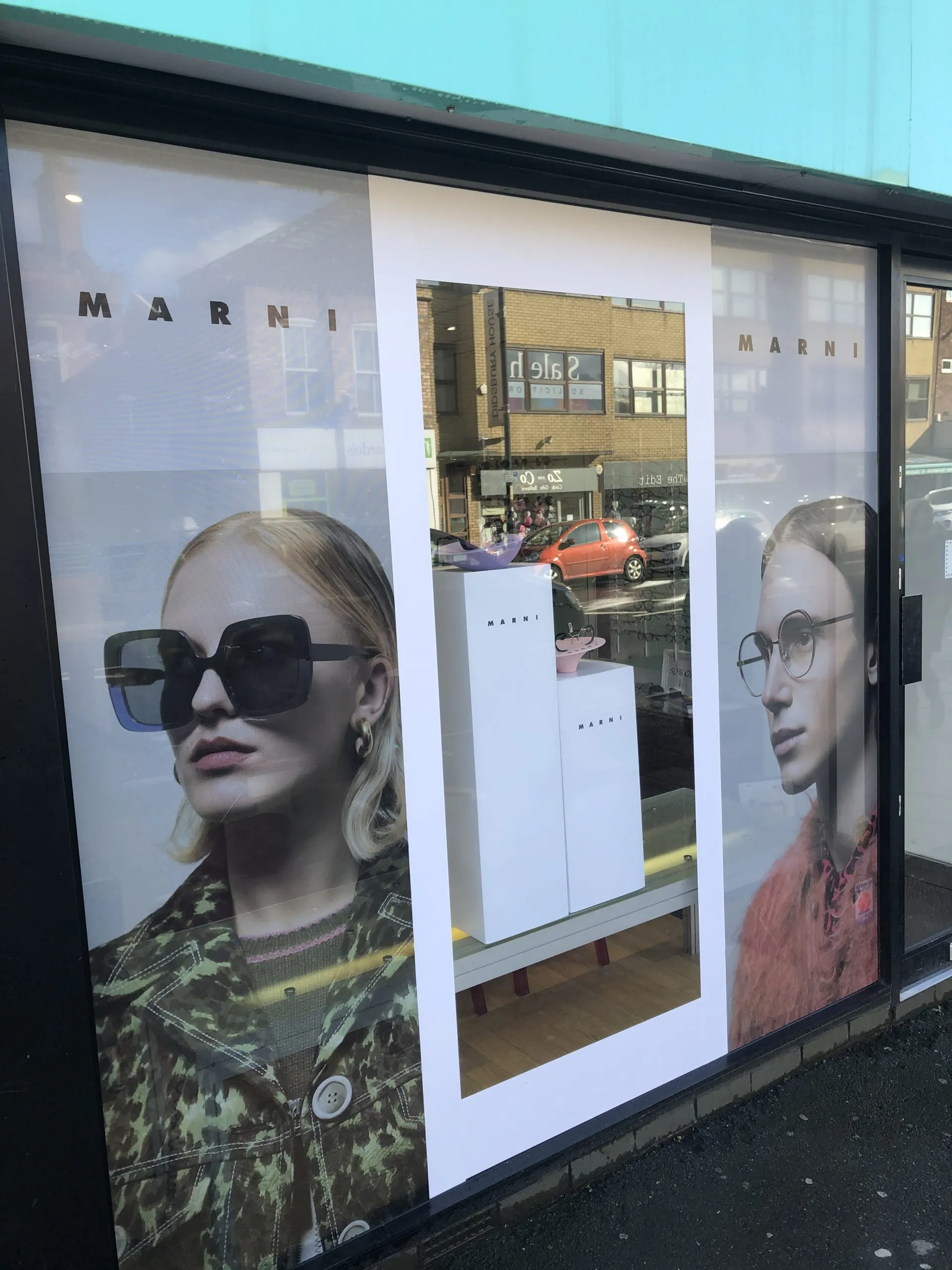
Your store’s display window is the first thing people see, and it can be a deciding factor in whether a customer enters the store or not. One of the most crucial visuals that will define your shop is a powerful retail window design.
Great window graphics create a story, something customers can relate to, and elicit a positive experience from the get-go. This isn’t limited to seasonal displays, nor props. Incorporating artistic installations, using striking graphics, lighting and even video displays all work together to create a unique feeling. There are dozens of possible applications for window designs, in-store and outside of it, and Contra Vision’s one-way vision window graphics can help you make the most out of your promotional space.
The art of capturing attention through visual appeal has its own principles, but it all comes down to one thing: creating an amazing experience that encourages a purchase. This leads us to goal number two: to create a beautiful and positive ambience in-store that makes customers feel good by being in it.
Visual merchandising doesn’t only help a store attract customers: it helps increase sales and gives customers a good reason to come back again, whilst giving your business a competitive advantage. This is why visual merchandising is so important.
Our Experience in Retail Environments
Visual merchandising is most effective when displays are simple, visually striking and easy to understand at a glance. In high footfall areas, strong window graphics and clear messaging often have the biggest impact on driving customers into store.
Looking to improve your store displays? – Speak to the Contra Vision team to explore window graphics and visual merchandising solutions for retail environments.
Great Examples of Visual Merchandising
Presenting products in a way that makes them visually appealing and desirable is the cornerstone of visual merchandising. A few ways you can do this is:
- Themed Window Displays: the most common way of attracting the attention of people passing are window graphic designs. The case of the entrance window graphics of Swindon Designer Outlet is a perfect example of how to promote business from the very first customer interaction.
- Lighting and Digital Arrangements: digital projection mapping is a way of creating an incredible in-store experience, as was the case with Tabegamisama culinary experience. The use of digital images and careful light placement creates an innovative event that is impossible to replicate.
- Mixed elements: In the case of the Carryduff Community Church, a combination of colour and light translates into an eye-catching logo that transitions from day to night and never loses its appeal.
- Vehicle Wrapping: out of home (OOH) advertising can be a way to capture attention if you are unable to advertise in your storefront, want to expand your target audience or promote your product on a bigger scale. A way of doing so is by bus wrapping like the University Medical Center Utrecht did to carry their message to the public.
All these display techniques are used to highlight the appearance and benefits of the products and services being sold.
Looking to enhance your visual merchandising?
• Explore creative window display ideas
• Speak to our team about your project
• Discover how one-way vision graphics can transform your space
Blog Questions and Answers
What is visual merchandising in retail?
Visual merchandising is the process of designing store layouts and displays to attract customers and increase sales.
Why is visual merchandising important?
It improves product visibility, enhances the shopping experience and influences purchasing decisions.
What are the four elements of visual merchandising?
Store exterior, store layout, store interior and interior displays.
How does visual merchandising increase sales?
By guiding customer attention, improving product presentation and creating a more engaging shopping experience.
How often should visual merchandising be updated?
Typically every 4 to 6 weeks or in line with seasonal campaigns and promotions.
Visual Merchandiser: What Does a Visual Merchandiser Do?
By enhancing the visual image of the store, you sell products by creating a beautiful place. It may sound simple but there are a lot of moving parts, which is why enlisting the help of a visual merchandising expert is the way to go.
Think of a visual merchandiser as the person behind the magic. Visual merchandisers use their design skills to help promote the image, products and services of retail businesses and other organisations.
They focus on key elements such as store exterior and interior, store layout and interior display to create eye-catching product displays and store layout designs that attract customers and encourage them to buy.
To create a product display, you don’t need to spend a large amount of money. There are tips and techniques that will allow you to enhance visual images in a store. These tips and techniques include: understanding your target audience, appealing to the senses, using interesting signage and guiding customers through your shop.
Skills & Requirements
There are some key skills for a visual merchandiser that are required. These include understanding the brand, analytical skills, commercial awareness, computer literacy, communication skills and creative flair.
Looking at educational requirements, there are a few different options. It is possible to start a visual merchandising career with no more than high school qualifications. However, there are some employers that require postsecondary education. There are degrees and certificates that you can get to allow you to advance your career in visual merchandising. These include fashion management, retail marketing or visual marketing. All of these can lead to a visual merchandising director or management role.
Why is Visual Merchandising Important?
Investing in visual merchandising helps customers have a better shopping experience, serves as a powerful marketing tool for your company and enhances customer loyalty. But it also comes with its downsides.
Benefits of visual merchandising
The potential advantages of visual merchandising are numerous, starting with increasing the number of customers who notice and subsequently enter your retail business.
The ensuing effect is increased profit. Visual merchandising that is effective and well-designed can have a significant and beneficial impact on store sales.
And perhaps the biggest benefit of clever visual merchandising is that it could help get the most value out of products that would be hard to market any other way. For instance, a ferry bus wrap promoting a TV show can increase audience awareness and impact the number of viewers significantly.
Disadvantages of visual merchandising
There could be some barriers to introducing visual marketing techniques. When it comes to interior store displays, it could be the necessary change of layout, props and lighting. But if you are employing visual merchandise on the first point of contact, the window display, this occurs in the retail exterior so this downside does not apply.
Expenses would be the following drawback most people would associate with employing new visual marketing techniques. However, successful planning and managing visual merchandise can result in increased profitability and client loyalty. In the long run, this would cover initial costs you may incur.
Visual merchandising is a wide-ranging discipline that involves marketing, operations, design, and sales to create a compelling customer experience and drive sales. Understanding how to use the tools at your reach to fuel the creative aspects of it can be a true differentiator in a crowded industry. Need some inspiration? Take a look at all the creative possibilities of one-way vision graphics.